
Redemption is Closer Than it Appears
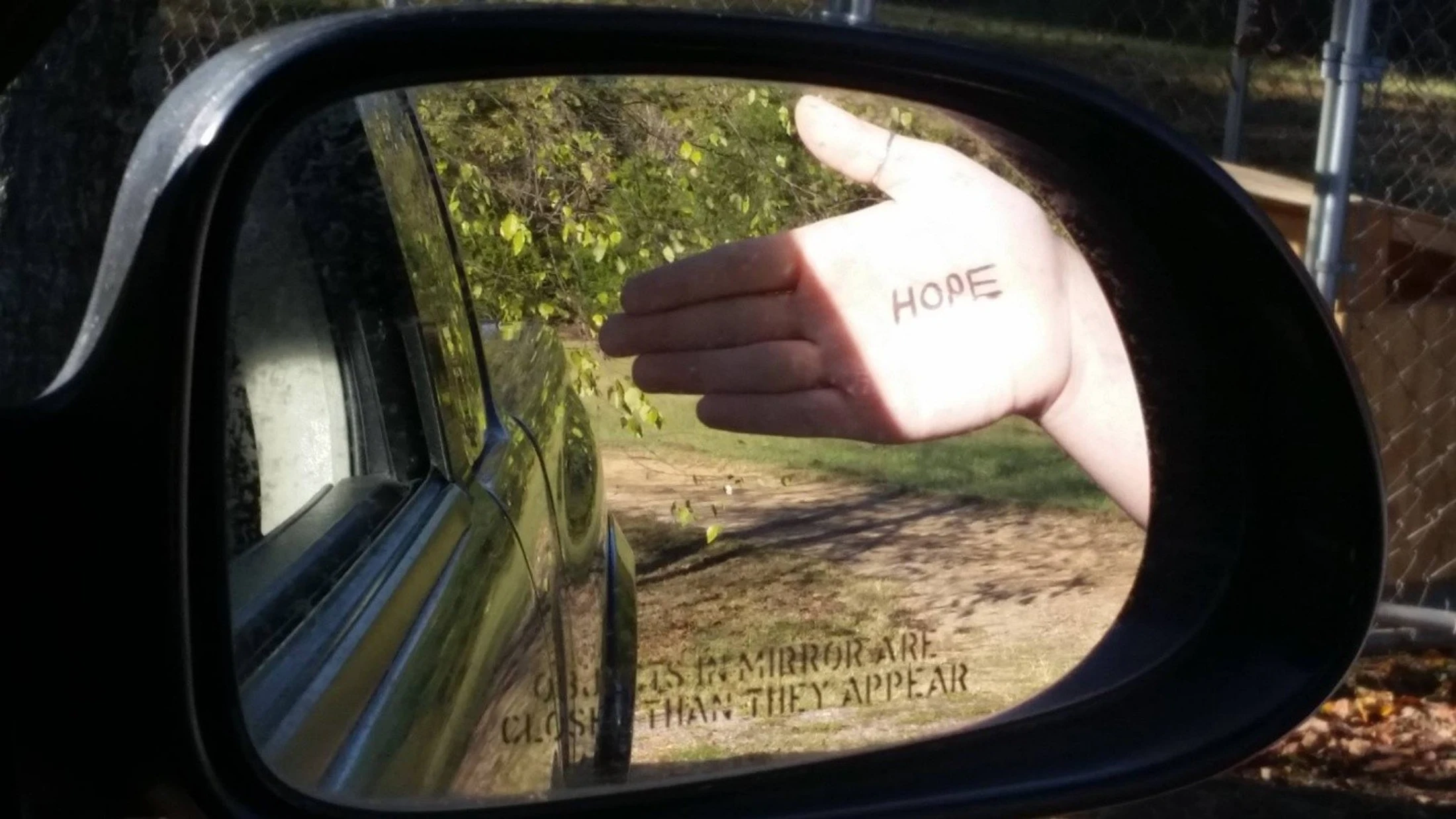
Life has a way of bringing us to our knees. Whether through our own poor choices, unexpected circumstances, or the weight of guilt and shame, we all find ourselves crying out from dark places.
Psalm 130, known as one of the "songs of ascent," offers a powerful roadmap from despair to redemption that has transformed lives for thousands of years.
What Depths Are You Crying From?
The psalm begins with raw honesty: "Out of the depths I have cried
to you, O Lord." This isn't about external circumstances or what others
have done to us. David is crying out from the depths of his own despair, shame,
and disappointment in himself.
Think about what happens when you get physically hurt. The first
reaction is usually to cry out - "Ouch!" or something similar. Then
you seek help from someone who can make it better. David does both
simultaneously with God, answering the two essential questions any emergency
responder asks: Where are you? (In the depths) and What do you need? (Please
hear my prayer).
Turn to God First!
Too often, we try everything else before turning to God. We attempt to
fix our problems, manage our guilt, or work through our shame on our own. But
David models something different - making God our first call, not our last
resort.
Hidden sin and unaddressed problems never stay hidden. They always
surface at the worst possible moments. The solution is to develop crying out to
God as our default response when we're struggling.
Why Can't Anyone Stand Against God's Judgment?
David makes a sobering observation: "If you, Lord, should mark
iniquities, O Lord, who could stand?" If God kept a running tally of all
our wrongs - the ones nobody sees, the secret sins, the private failures - none
of us would have a chance.
It's like having your name written on the board in elementary school.
One check mark for misbehavior, then another, then another. By the third check
mark, you knew you were in serious trouble. If God marks our iniquities that
way, we're all in permanent trouble.
The Power of Scripture’s "But"
Here's where the psalm takes a dramatic
turn: "But there is forgiveness with you that you may be
feared." This isn't the usual negative "but" that cancels out something
good that came before it. This is a "but" that introduces hope. Nobody
can stand against God's judgment, BUT God forgives. That's the game-changer.
Now we should also recognize that the word "feared" here doesn't mean cowering in terror. It is used in a sense of recognizing God's awesome power - both to condemn and to forgive.
When someone has that kind of authority over your life, you respect it. REVERE it.
Waiting for God’s Response to Our Cries
David declares: "I wait for the Lord, my soul waits. And in his
word I do hope." This isn't passive waiting. It's active and expectant
waiting based solely on God's promises. He compares it to watching for morning
after a long, difficult night. Picture waiting for a doctor's office to open
after getting a concerning call about test results. You're watching the clock,
ready to call the moment they open. That's the intensity of expectation David
has for God's response.
Why Can We Hope in God's Word?
David’s hope isn’t wishful thinking. It’s grounded in what God has
already revealed about His character and promises. God’s word provides evidence
for our faith, giving us solid reasons to trust in His mercy and redemption.
What Does Abundant Redemption Look Like?
The psalm concludes with a promise: "With the Lord there is mercy,
and with him is abundant redemption. And he shall redeem Israel from all his
iniquities."
Abundant redemption means more than
enough. It's not just barely covering your sins - it's complete, overflowing
forgiveness that covers everything. God doesn't offer the economy package of
redemption; He provides the full, abundant version.
How Did This Psalm Change John Wesley's Life?
John Wesley, a founder of Methodism, experienced his famous
"strange warming of the heart" while listening to Psalm 130 being
read at Aldersgate in London. Understand, he was a man who by this point had
been a priest for years. A man who had developed systematic methods for holy
living and was, ultimately, trying to earn his way to heaven. But quietly, John
felt no firm assurance of his salvation, or confidence that God would forgive
of his sin before that point. But that evening, when he heard this psalm, it
spoke to him deeply. He realized that he was exactly where David was when he first wrote this Song of Ascents - in the depths of despair over his own failures, sin, and shame. Then he heard
God's promise of forgiveness, his heart was “strangely warmed” and for the
first time, he truly accepted Christ as his Savior, not just his Lord.
Before Aldersgate, Wesley had a method for living like a Christian.
After encountering God's forgiveness through this psalm, he found he had
Christ-like power. The power to engage people where they were, reach to those
who felt like outsiders, and teach with authority about the very thing he had
encountered… God’s grace. The difference was transformational - moving his
service in Christ’s ministry from simple human effort into divine empowerment. This
encounter gave Wesley the power to transform not just his own life, but to
spark a revival that changed England and America.
Life Application
This week, commit to reading Psalm 130
once each day. As you read, engage honestly with God about your own depths -
your struggles, failures, broken relationships, and areas where you've made
poor choices.
Don't try to hide or minimize your sins and struggles. Instead, cry out
to God from wherever you find yourself. Remember that your redemption is closer
than it appears, just like objects in a car's side mirror. God is never farther
away than the breath escaping your lips in prayer.